Uncle Mahmood
2023-2025
While turning the pages of a photo album filled with images from my sister’s infancy, I know there is another photograph hidden beneath one of them: a picture of my uncle holding my sister in his arms. I have always been told that this photo was hidden because my father becomes overwhelmed by what it reminds him of—perhaps an unfulfilled grief, not having a final visit, a hug, or even a funeral.
“In the summer of 1988, the Islamic regime of Iran summarily and extrajudicially executed thousands of political prisoners held in jails across the country. The massacre was carried out on the basis of a fatwa issued by the regime’s then Supreme Leader, Ruhollah Khomeini.” [1]
As stated, thousands of political prisoners were executed during the summer of 1988, and my 23-year-old uncle was among them.
In this project, I explore unfulfilled grief and memory by focusing on my family’s personal experience of these mass executions. The work examines the repercussions of the 1988 massacres and how they have continued to affect thousands of individuals and families.
Many of those executed were young men, women, and even teenagers who were serving prison sentences for their political views and non-violent actions. In the weeks and months leading up to the executions, the regime suspended family visits and turned away those who came to see their imprisoned relatives [2]. According to Amnesty International, “Many of those killed during this time were subjected to torture and other cruel, inhuman, and degrading treatment or punishment.” [3]
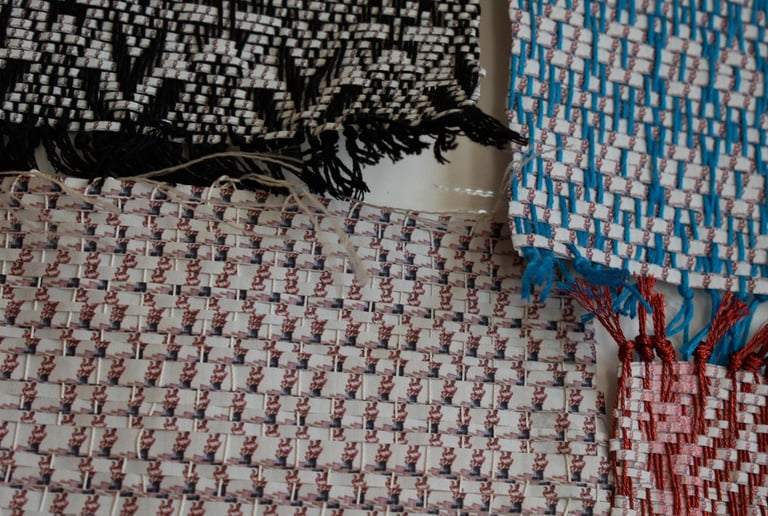
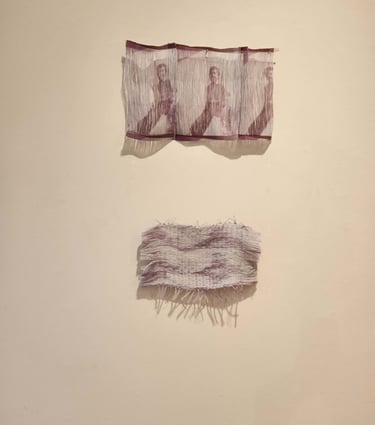
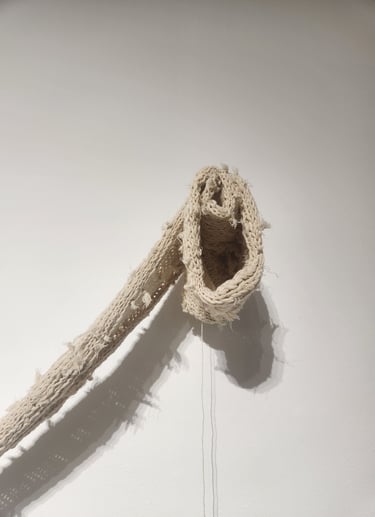
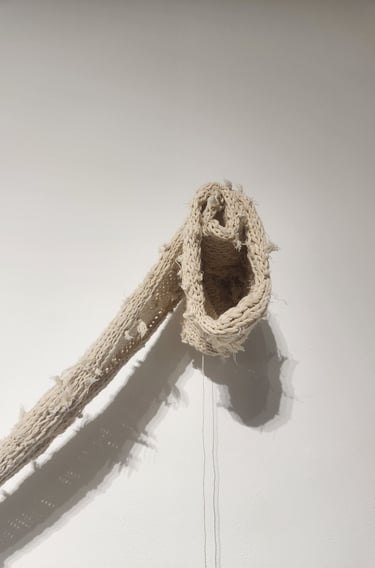
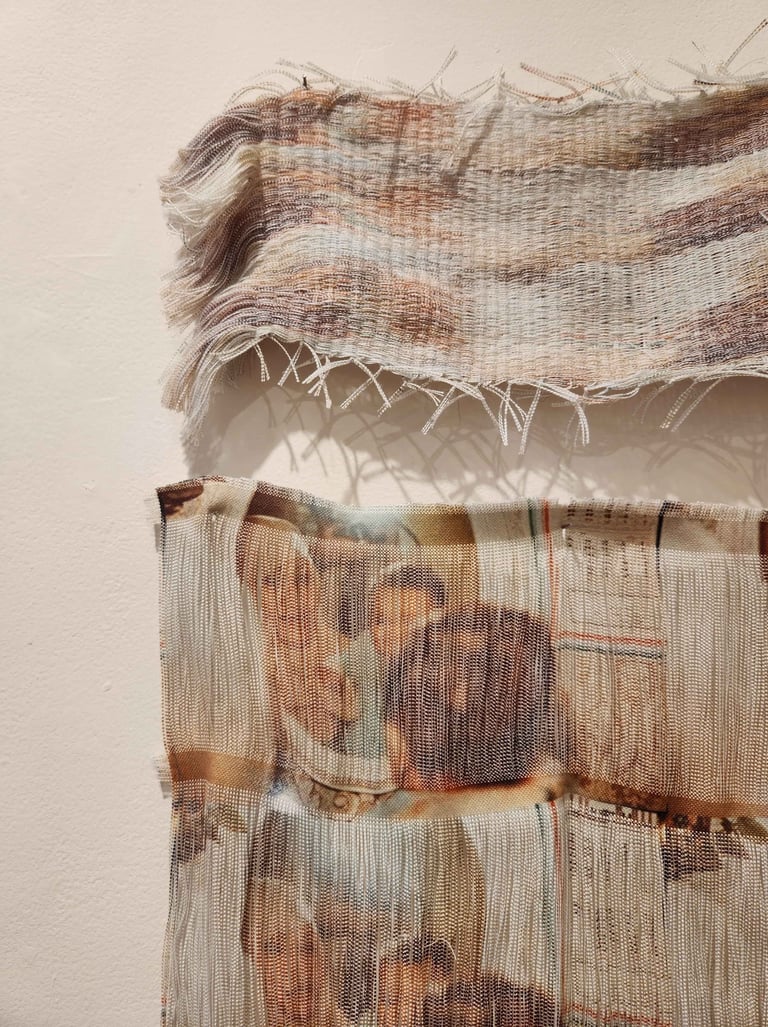
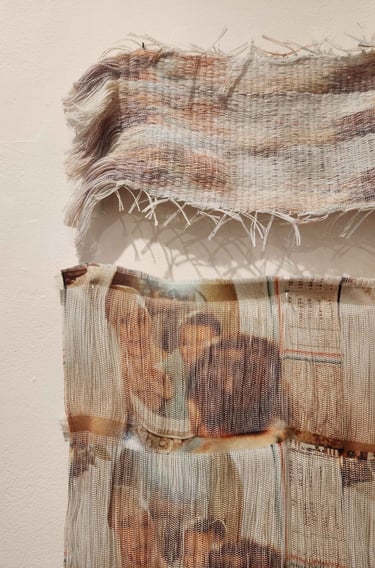
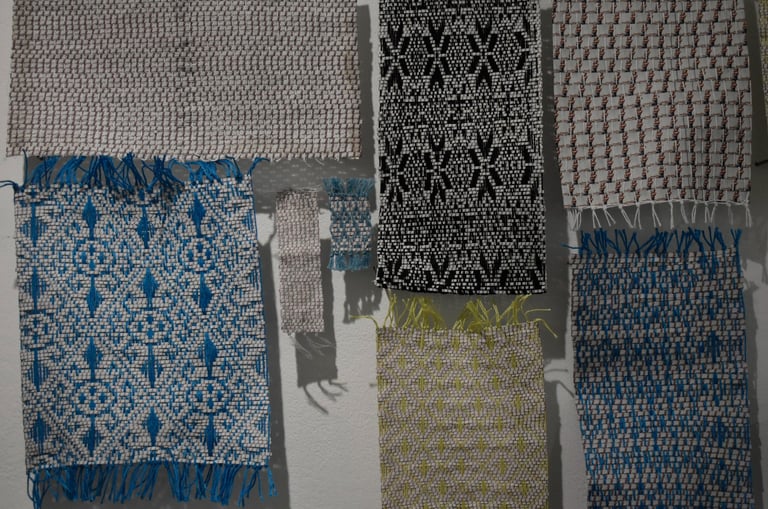
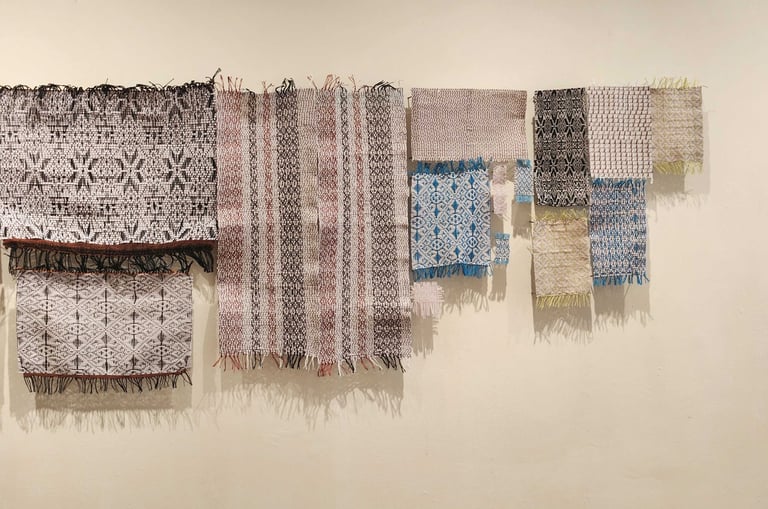
To address my personal connection, I use a printed image of my uncle taken from our family photo album—a photograph captured just a few years before his execution—as material in the work. In this project, I create woven paper and textile pieces using this image. By transforming the photograph into small, repeated pattern lines that function as the weft of rugs, with yarn and string forming the warp, the work references everyday objects such as rugs and tapestries. Despite their artistic and historical significance, these objects also carry an ordinary, domestic presence, which I use as a metaphor for the right to a normal life—a life that was taken from so many. In this way, the piece is composed of thousands of fragments of my uncle’s image, standing in for the countless lives that were cut short.
References:
1. 1988 massacre of political prisoners in Iran. NCRI. (2021, September 10). Retrieved June 28, 2022, from https://www.ncr-iran.org/en/1988-massacre-of-political-prisoners-in-iran
2. "Blood-soaked secrets with Iran's 1998 Prison Massacres are ongoing crimes against humanity" (PDF). Archived (PDF) from the original on 15 December 2018. Retrieved 2 August 2022. From https://www.amnesty.org/en/documents/mde13/9421/2018/en/
3. "Blood-soaked secrets with Iran's 1988 Prison Massacres are ongoing crimes against humanity" (PDF). Archived (PDF) from the original on 15 December 2018. Retrieved 2 August 2022. From https://www.amnesty.org/en/documents/mde13/9421/2018/en/